In short: we arrange mold testing in Miami Beach through an independent, state-licensed mold assessor rather than testing jobs ourselves. A typical assessment costs about $450–$900, with lab samples at $50–$120 each, as estimates. If the growth is visible and the leak is known, you can often skip testing and go straight to removal.
Why the tester and the remover should be different companies
Florida licenses mold assessors and mold remediators separately, and section 468.8419 of the Florida Statutes stops one company playing both parts on the same building within 12 months. The logic is simple: a firm that profits from the cleanup should not be the one deciding how big the cleanup is. We follow that rule even where an exemption might let us slide, because a report from an outside assessor is worth more to your insurer, your buyer or your condo board than one we wrote ourselves.
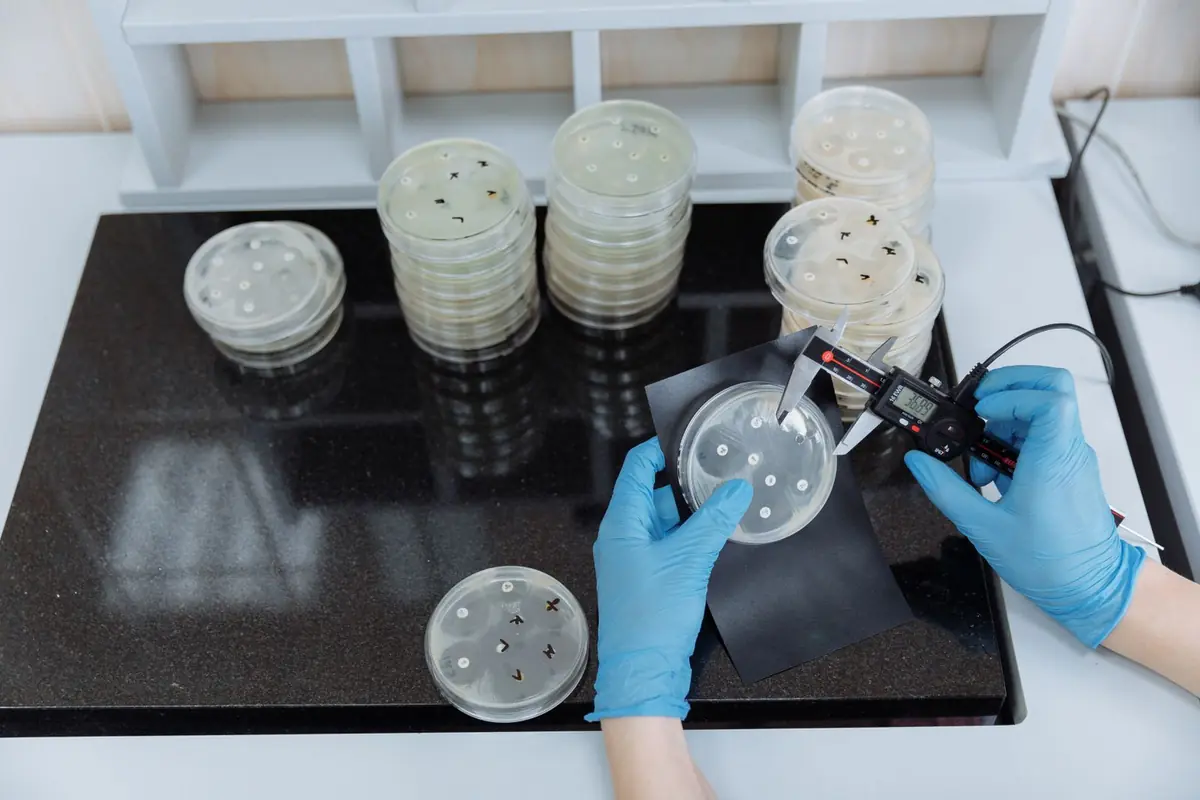
When a test is worth paying for
- A smell with no visible source. Musty air in a unit where every wall looks clean often points to growth inside a wall cavity, a ceiling plenum or the air handler.
- An insurance claim or a dispute. Lab numbers and a written protocol carry weight with adjusters, landlords and associations that a photo alone does not.
- Buying or selling. Condo purchases on the beach often hinge on what an inspector flagged; an assessment turns "possible mold" into a measured scope.
- Health concerns. If someone in the home has asthma, allergies or a weakened immune system, knowing what is in the air helps their doctor and helps us set containment.
- After the work. Post-remediation clearance confirms the area is back to normal before walls are closed and the containment comes down.
What the assessor actually does
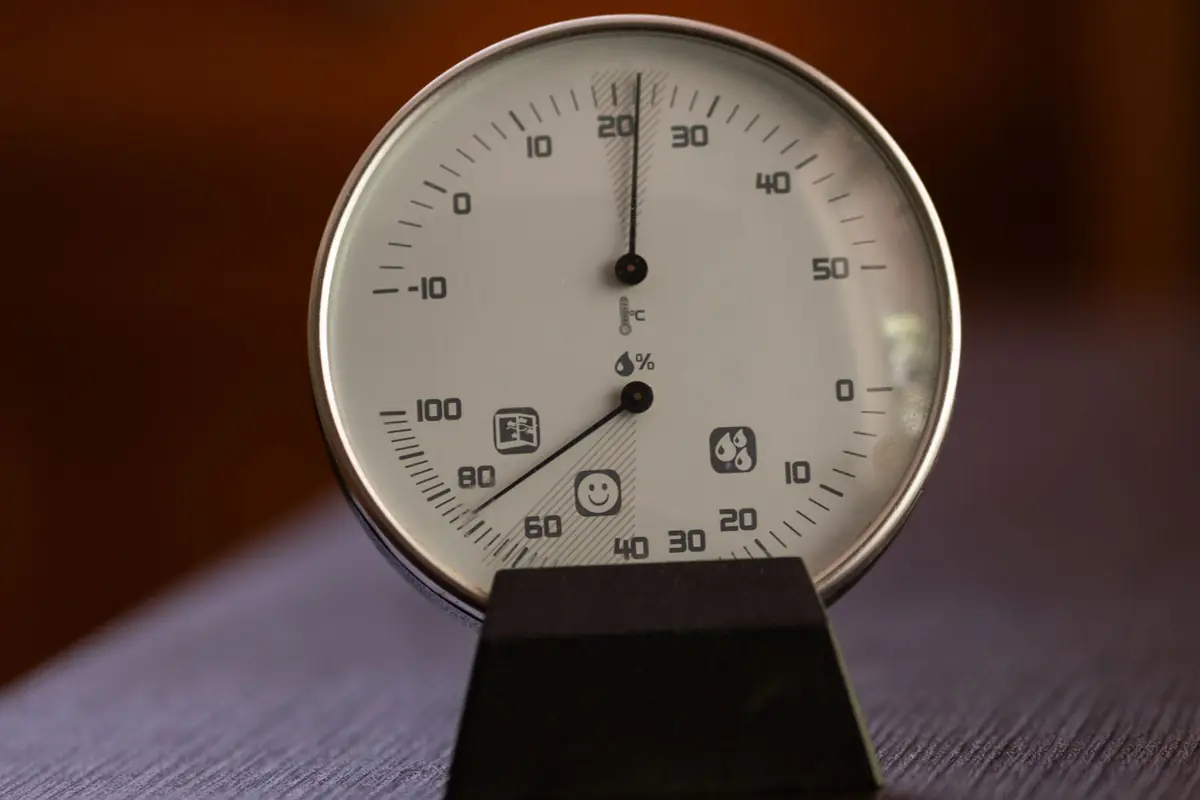
A good assessment is mostly detective work, with sampling to confirm it. Expect the assessor to walk every room with a moisture meter, often a thermal camera, and a hygrometer for relative humidity, then take samples where the evidence points.
- Visual and moisture survey of walls, ceilings, window returns, the AC closet and anywhere water has been.
- Air samples pulled through spore-trap cassettes indoors, with at least one outdoor sample as the baseline, because Miami Beach outdoor air is never spore-free.
- Surface samples by tape lift or swab where there is visible growth or staining to identify.
- Lab analysis at an accredited laboratory, then a written report that compares indoor to outdoor counts.
- A remediation protocol: which materials come out, how far beyond the visible growth to cut, and the containment level required. We price and work from that document.
Testing prices
| Job | Estimate | Notes |
|---|---|---|
| Independent mold assessment | $450–$900 | Survey, sampling plan, written report |
| Each lab sample | $50–$120 | Air or surface, per cassette or lift |
| Post-remediation clearance | $300–$500 | Verification before containment comes down |
Treat these as estimates. The assessor sets their own fee, and the number of samples depends on how many rooms and systems are in question. We will tell you the likely range when you call.
When you can skip the test
The EPA puts it plainly: if you can see mold, sampling is usually not necessary, because the answer is to remove it and fix the moisture whatever the species. A black ring around an AC supply vent, or spotting along the bottom of drywall after a known leak, does not need a lab to tell you what to do next. In those cases a remediation estimate is the quicker, cheaper first step, and clearance testing at the end is still available if you want written proof.
Testing questions
Why won't you test the mold you are going to remove?
Because Florida law keeps the two jobs apart. A licensed remediator may not assess a structure it remediated in the previous 12 months, and an assessor may not remediate one it assessed. Separating them means the person who says you have a problem is not the person paid to fix it.
Is a home mold test kit worth buying?
Settle plates from the hardware store almost always grow something, because mold spores are in every outdoor and indoor breath of air. Without an outdoor comparison sample and a lab count they cannot tell you whether your unit is worse than normal.
How long do lab results take?
Commonly a few business days, sooner if the assessor pays the lab for a rush. The assessor's written report, with the protocol, usually follows the results.
Do I need testing before you start?
Not when the growth is visible and the moisture source is known; the EPA's own guidance says sampling is usually unnecessary then. Testing earns its fee when the source is hidden, a claim or a sale depends on it, or someone in the home has health concerns.
REPORT DATE · LAST REVIEWED OCTOBER 8, 2026